
What happens inside the body after intense exercise — and how pressurised oxygen may support the recovery process.

Whether you run, lift, cycle, or play team sports, recovery is as important as the training itself. Muscles need time to repair, inflammation needs to settle, and the body needs to restore itself before the next session. For many active individuals, this window feels frustratingly slow — and this is where hyperbaric oxygen therapy (HBOT), has been attracting attention in sport and wellness circles.
HBOT involves breathing high concentrated oxygen inside a pressurised chamber, where atmospheric pressure is raised above normal sea-level conditions. Under everyday circumstances, oxygen is carried through the body primarily by red blood cells via haemoglobin. In a hyperbaric environment, the increased pressure allows significantly more oxygen to dissolve directly into the blood plasma — meaning oxygen can reach tissues and cells beyond what normal circulation alone would allow.¹
Hard training creates microscopic tears in muscle fibres. This is a normal and necessary part of building strength and endurance — but the process triggers an acute inflammatory response. Blood flow to the area increases, immune cells migrate to the site of damage, and the body begins repair. This is what causes the familiar soreness and stiffness known as Delayed Onset Muscle Soreness, or DOMS, which typically peaks between 24 and 72 hours after exercise.²
In parallel, intense activity raises levels of metabolic by-products such as lactate, and increases markers of muscle damage — including creatine kinase (CK) — in the bloodstream. The body clears these over time, but recovery can be slow, particularly after prolonged or high-intensity efforts.
The proposed benefits of HBOT in a sport recovery context relate to its ability to flood tissues with oxygen at a level that normal conditions cannot achieve. Here is what the research suggests:
HBOT for sport recovery is commonly sought by individuals who train at a high frequency or intensity and want to support their body’s natural recovery process between sessions. It may also be of interest to those returning from soft tissue injuries, or anyone who finds that conventional recovery methods — rest, ice, compression — are not keeping pace with their training demands.
It is not a substitute for adequate sleep, nutrition, or appropriate training load management. Rather, it is increasingly being explored as a complementary tool that works alongside these fundamentals — adding an additional layer of support for the body’s own repair mechanisms.
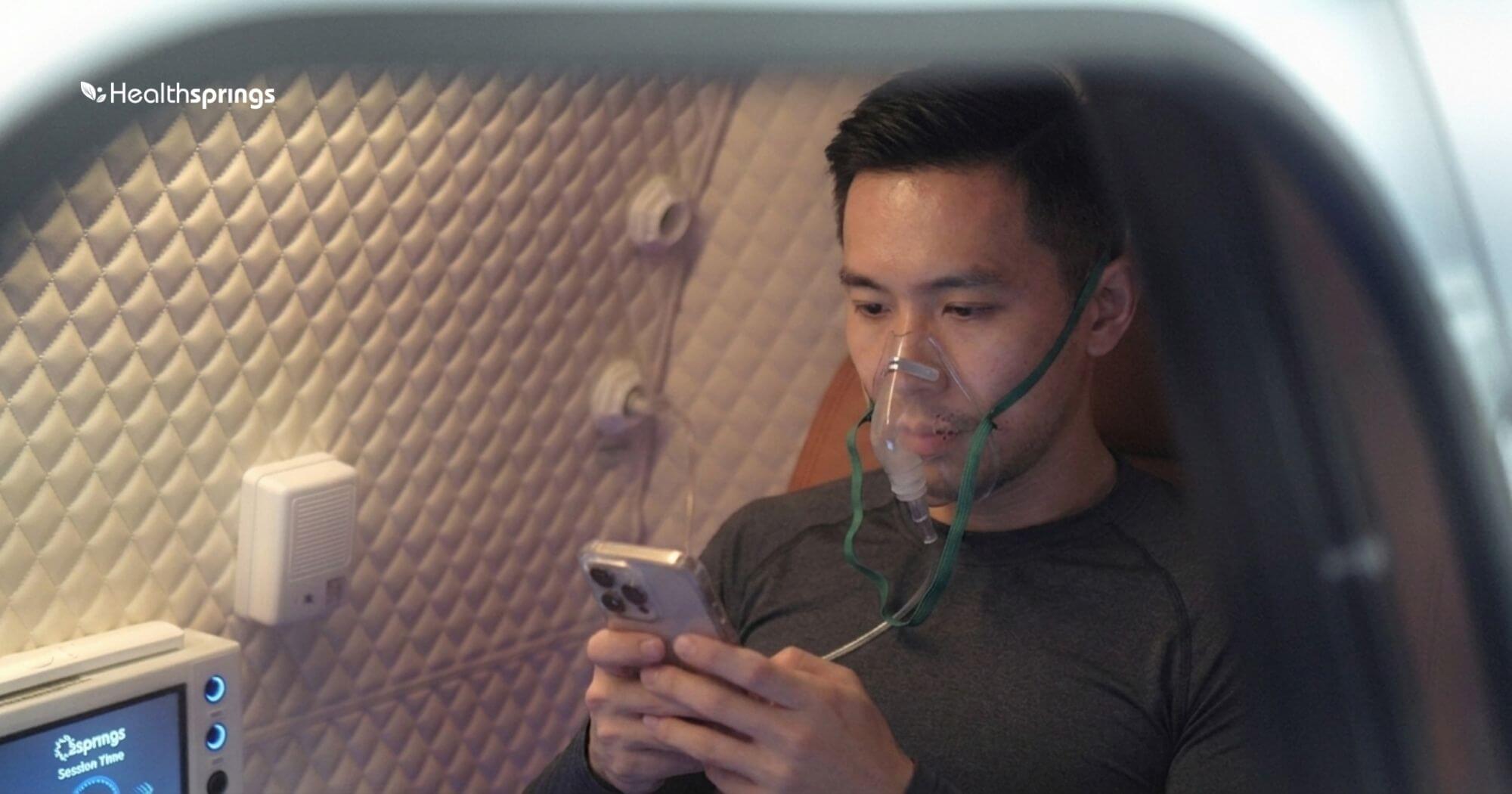
During an HBOT session, you recline inside a pressurised chamber and breathe high concentrated oxygen, typically for 60 or 90 minutes. The experience is generally comfortable and non-invasive. Some individuals notice a mild sensation of pressure in the ears as the chamber pressurises — similar to what you might feel on an aeroplane — which settles quickly. There is no downtime, and sessions can be scheduled around a training or competition calendar.
Take the first step toward smarter recovery. Our team is here to answer your questions and guide you through what an HBOT session looks like. No pressure — just a friendly conversation. [Whatsapp Us]
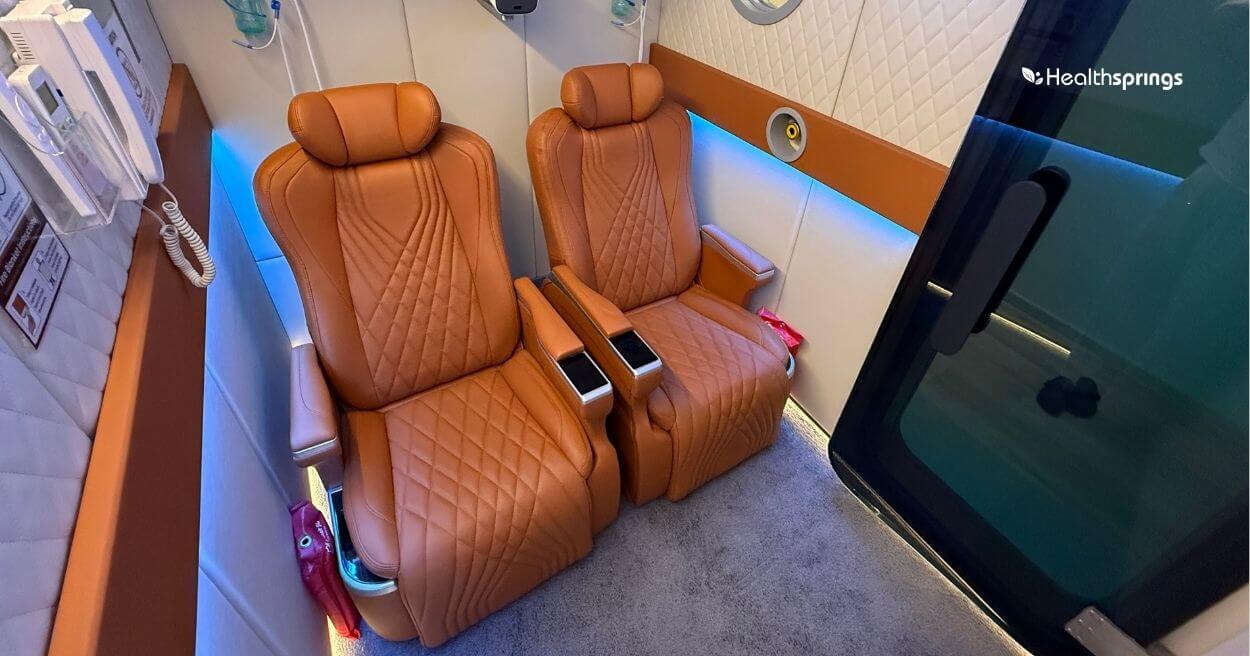
Experience recovery in comfort: Our 2-seater hyperbaric oxygen chamber (HBOT) at Orchard.
References