
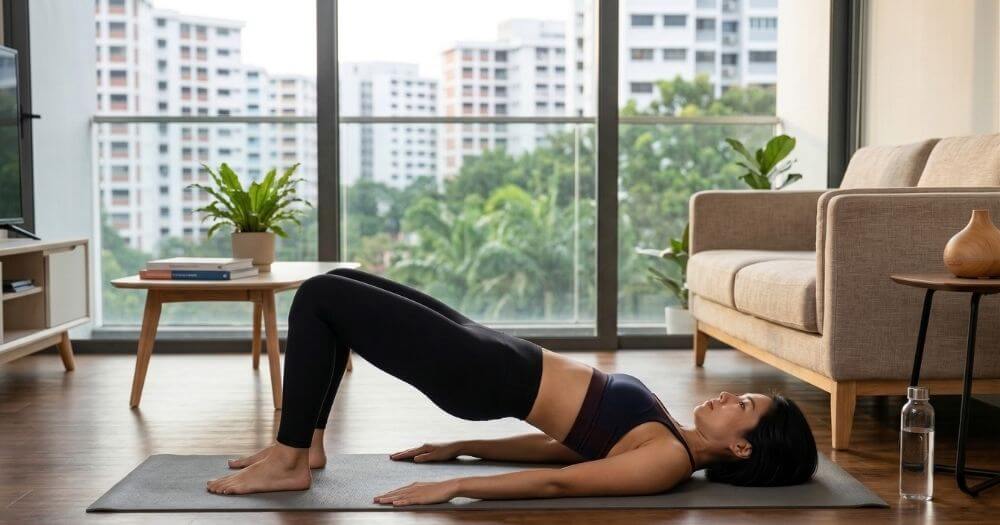
Motherhood is an incredible journey, but there is no denying that pregnancy and childbirth ask a lot of your body. If you have recently welcomed a little one, you might be noticing a few changes—perhaps a slight leak when you laugh, sneeze, or lift the stroller.
These moments are incredibly common. For nine months, your pelvic floor worked overtime supporting the weight of your baby, and the delivery process naturally stretches these muscles. Rebuilding that foundation takes a little time and patience, and this is exactly where postpartum Kegel exercises come in.
Here is a straightforward guide on what your pelvic floor needs right now, and how to gently start strengthening it again.
Your pelvic floor is a hammock of muscles that supports your bladder, uterus, and bowel. Strengthening it after birth helps to:
Note: Always check with your gynaecologist at your 6-week postnatal check-up before starting any new exercise routine, especially if you had a C-section or perineal tearing.
In the early days after birth, the pelvic area can feel numb or disconnected. This is completely normal.
We often hear from new mums that while they want to do their Kegel exercises , they simply do not have the time, the energy, or the mind-muscle connection yet. Sometimes, the muscles are just too fatigued to contract properly on their own.
If you are struggling to find the time or aren’t sure if you are doing the exercises correctly, there is a way to get a little extra support.
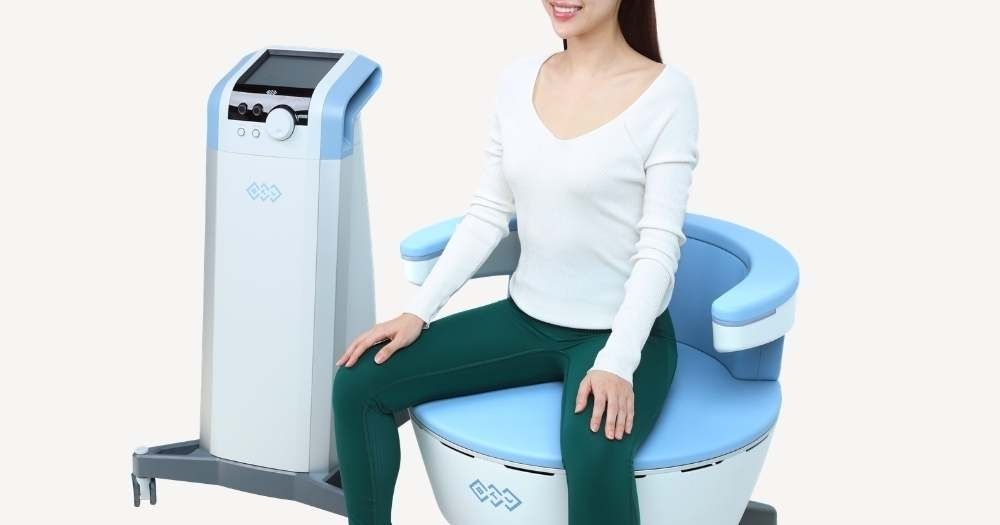
At Healthsprings Aesthetics, we offer a treatment called Emsella, which is wonderful for postpartum recovery. It is a FDA-Approved non-invasive chair that uses High-Intensity Focused Electromagnetic (HIFEM) technology to gently and effectively stimulate the pelvic floor muscles for you.
You simply sit on the chair, fully clothed, for 28 minutes. During that time, the technology creates 11,200 of deep, targeted contractions—essentially doing the Kegels for you, but at an intensity that is hard to achieve manually. Many mums use this as a chance to just sit quietly, read a book, or enjoy a rare moment of uninterrupted rest while their core gets a highly effective workout.
Your body did something amazing, and recovery is not a race. Whether you choose to rebuild your strength with daily manual exercises at home or want a helpful boost from treatments like Emsella, the most important thing is that you feel supported.
If you are curious about how Emsella can fit into your postpartum recovery, feel free to drop by our Healthsprings Aesthetics Medispa at Liat Towers, Orchard. We are always here for a casual, no-pressure chat about helping you feel like yourself again.
WhatsApp +65 9088 8775 for more info.